








いま読まれてます
The Miraculous Encounter of Tatsuro Yamashita and the “Golden Rhythm Section”
Ito: “At Pale France, a now-defunct coffee shop in Harajuku, we met through introductions from Minako Yoshida and Shuichi ‘Ponta’ Murakami. Tatsuro asked us ‘What kind of music do you usually listen to?’ I said ‘I listen to Frank Zappa, Larry Graham, and Saburō Kitajima’ and surprised him (laughs).
Tatsuro was right in the middle of recording his ‘MOONGLOW’ (1979/Air) album, and he invited us to ‘Come to the studio?’ We said ‘Yes, yes!’ and went with Aoyama to observe.
That day, Aoyama had a cold and was congested, and he, I, and Minako Yoshida added just the ‘Nyai nyai!’ vocals to a song called ‘SUNSHINE -Ai no Kiniro-‘.”
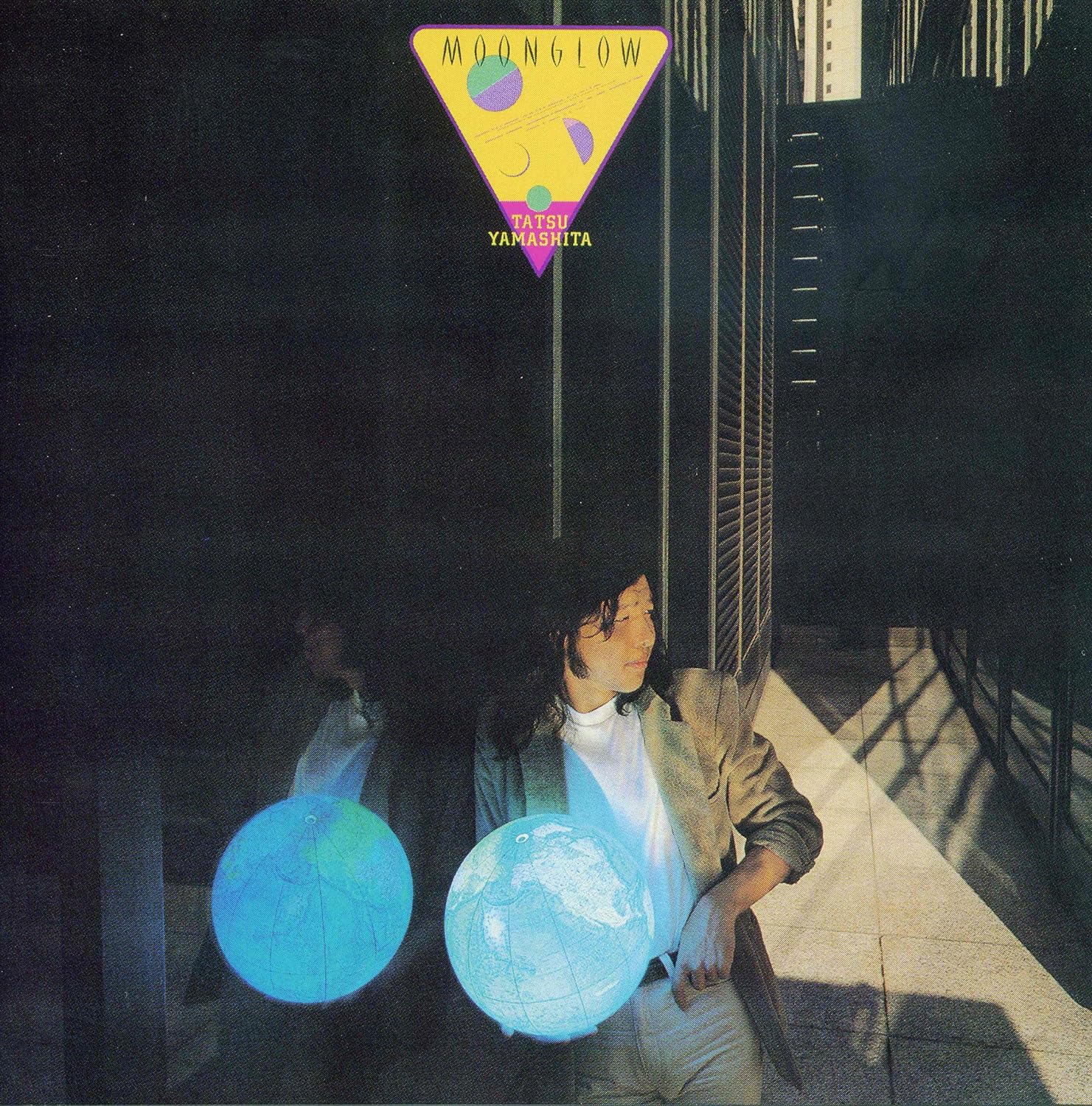
Tatsuro Yamashita ‘MOONGLOW‘(1979/air)
The first time they let Tatsuro hear their drum and bass sound was at Shuichi Murakami’s live performance “Ponta Session” at Roppongi Pit Inn in 1979. Ito recalls the session with Tatsuro:
“The guitar was Tsunehide Matsuki, keyboard was Ryuichi Sakamoto, saxophone was Hideshi Toki, vocals were Minako Yoshida and Tatsuro Yamashita, I was on bass, and drums were twin drums with Ponta and Aoyama. Tatsuro felt a good response from our performance at this Ponta Session.”
Later, when recording the next year’s album ‘RIDE ON TIME’ (1980/Air), they decided to try playing together once, and a session was held at Pale Green Studio in Akasaka with Aoyama, Ito, guitarist Kazuo Shiina, and keyboardist Hiroyuki Namba.
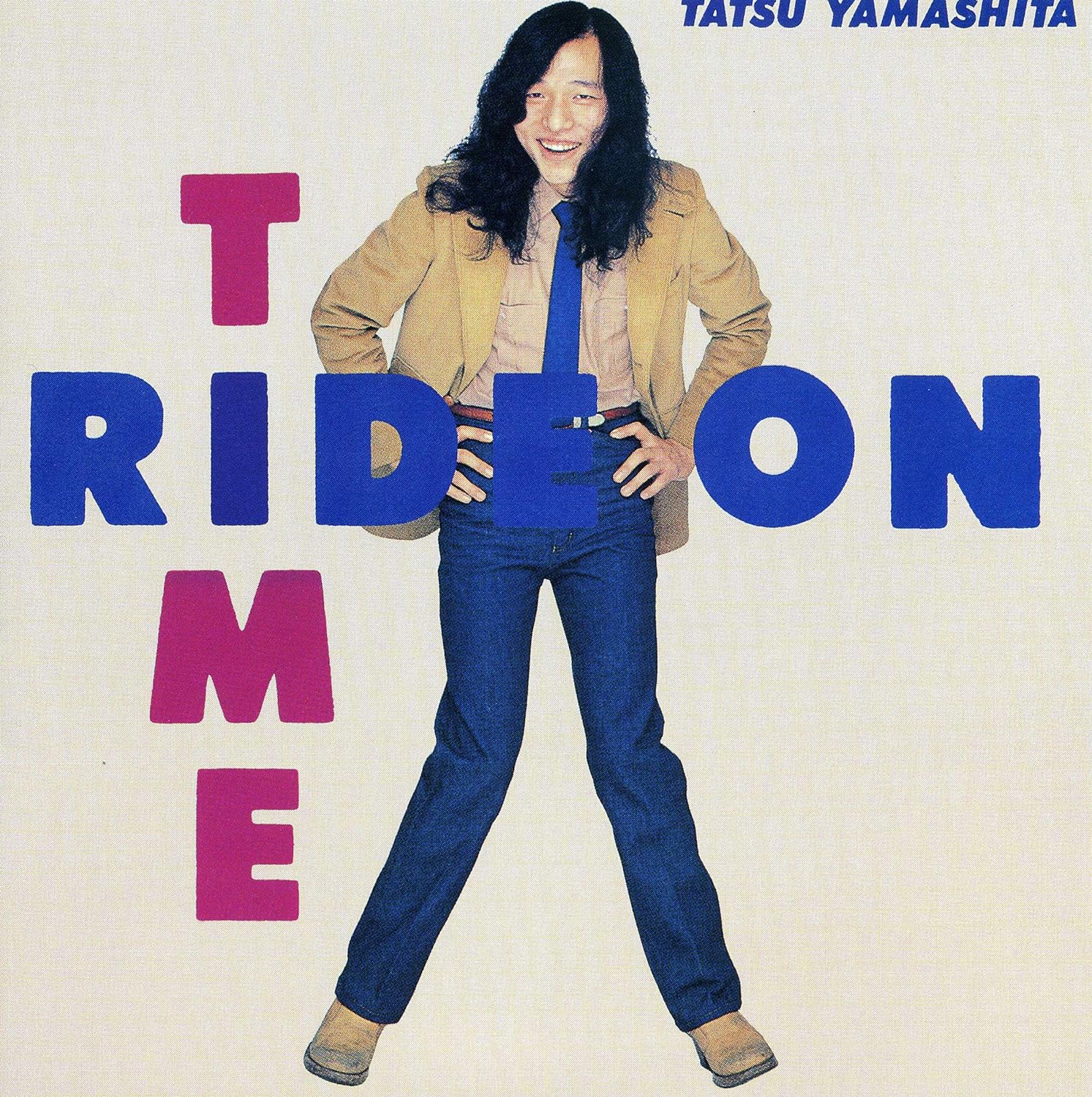
Tatsuro Yamashita ‘RIDE ON TIME‘(1980/air)
Ito: “At that time, he was amazed, saying ‘You can do this, you can do that. Who are you guys exactly?’ From then on, Aoyama and I began participating in Tatsuro’s recordings. Starting with ‘RIDE ON TIME’, I’ve been participating in Tatsuro Yamashita Band recordings and live performances, as well as Mariya Takeuchi’s backing, for 44 years continuing to today.”
Needless to say, Tatsuro’s highly acclaimed worldwide albums ‘FOR YOU’ (1982/Air), the immortal classic “Christmas Eve” from ‘Melodies’ (1983/MOON), and Mariya Takeuchi’s ‘VARIETY’ (1984/MOON) containing “Plastic Love” – the catalyst for the city pop boom – all featured the participation of the Ito-Aoyama “golden rhythm section.”
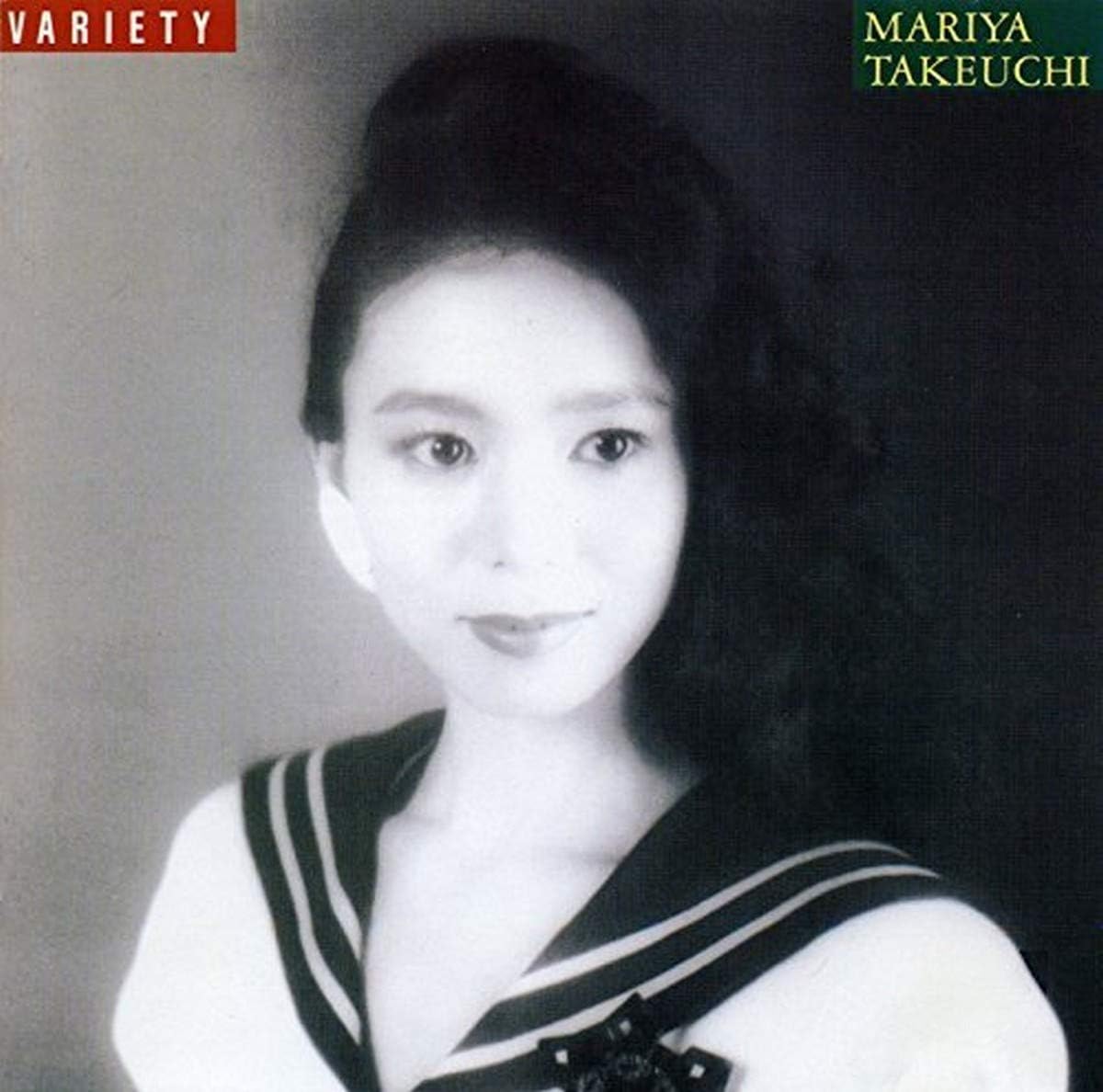
Mariya Takeuchi ‘VARIETY‘(1984/MOON)
Tatsuro appeared via audio interview on “Kanjam Kanzen Nenshow(EIGHT-JAM)” (TV Asahi) on June 19, 2022, discussing his signature album ‘FOR YOU’s song creation method:
“In my case, there are days just for rhythm patterns. For ‘FOR YOU’, I created everything starting with just rhythm patterns, then thought of melodies later. […] There are ‘melody creation days.’ I flow somewhat completed multitrack in the studio while going ‘La-la-la-la’ and add lyrics to that.”
Furthermore, in a July 8, 2022 interview by Taichi Tsuji for music production and audio media “Sound & Recording,” Tatsuro testified about his “groove creation method” during ‘FOR YOU’:
“I’m the type who conceives songs from rhythm patterns. For example, in the 1980s, I’d program patterns with the ROLAND TR-808 and create from there. With Aoyama (Jun/ds) and Koki Ito (b), I’d tape down synthesizer string keys to keep certain tones continuously playing while we performed and created (laughs). Songs like ‘LOVE TALKIN’ (Honey It’s You)’ (1982) were made that way. Rather than starting like a singer-songwriter with guitar accompaniment, because I like polyrhythms, even when recording ballads, I have to meticulously work out things like ‘where the kick comes in.'”
Synthesizing this information reveals that Aoyama, Ito, and Tatsuro entered the studio together, first creating just rhythm patterns, then completing songs by adding melodies and lyrics to match – this is how that representative city pop album ‘FOR YOU’ was created.
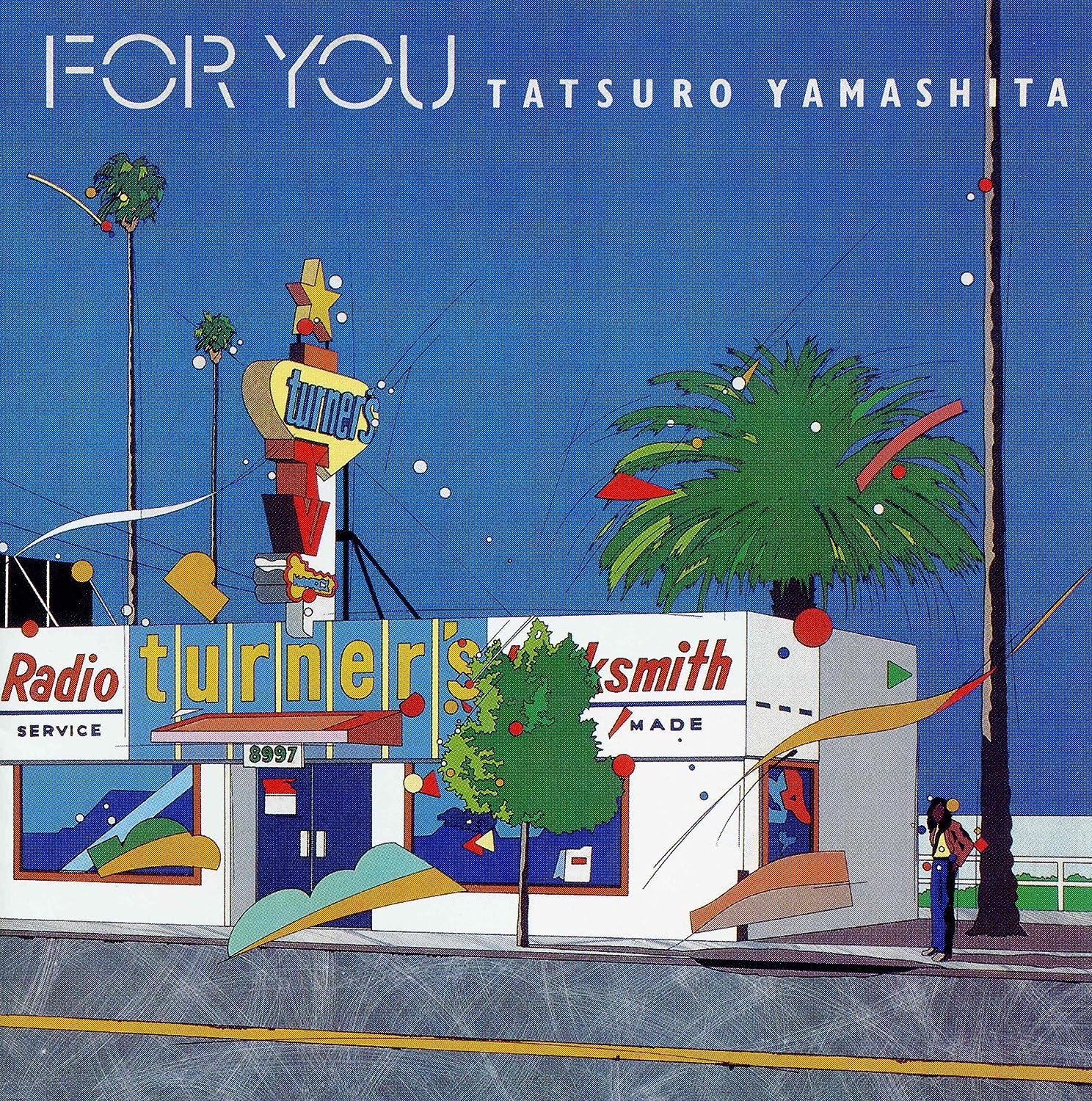
Tatsuro Yamashita ‘FOR YOU‘(1982/air)
The fateful meeting at Shinkawa’s house, Magical City with Takizawa, the connection with Alfa through “Saishū Bus,” participation in ‘Leonids’, High Times with Hiroshi Sato, and finally the encounter with Tatsuro – all connected in a straight line to create this miracle.
Why did the “golden rhythm section” of Aoyama and Ito appear before Tatsuro as a pair? Because they met as members of the band “Magical City” through various “connections” and began working together as professionals.
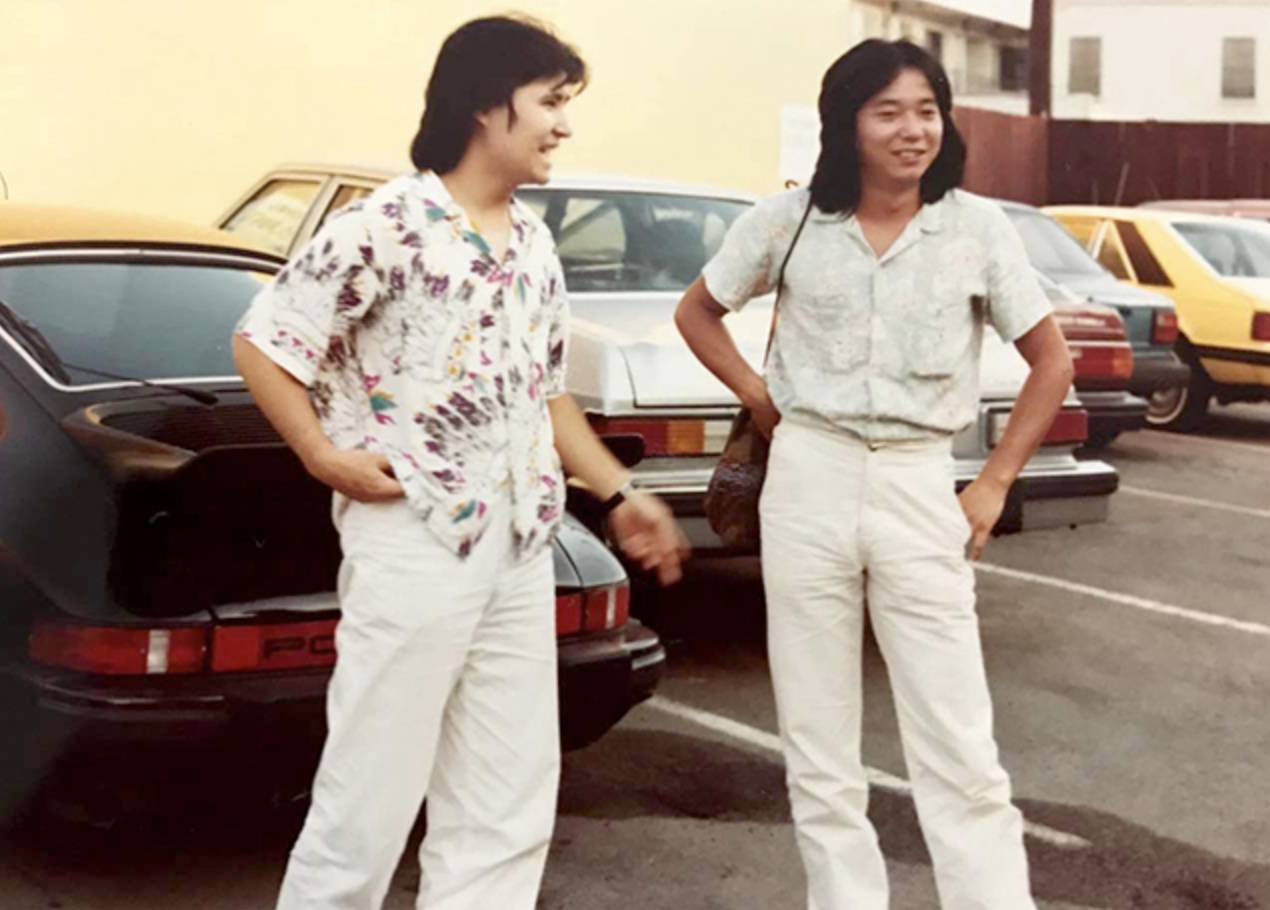
Jun Aoyama (Left), Koki Ito (Right) image by: Koki Ito office
Tatsuro’s wife, Mariya Takeuchi, who performed with Aoyama on Masamichi Sugi’s ‘Mari & Red Stripes’, spoke about her signature song “Eki” (Station) in a September 3, 2019 interview by Kazunori Kandate for “Shūkan Asahi”:
“This song has surprisingly solid rhythmic construction. The wonderful combination of drummer Jun (Jun Aoyama) and bassist Koki (Koki Ito), combined with Tatsuro’s guitar cutting and the flowing strings of maestro Katsuhisa Hattori – this ensemble and exquisite arrangement made it a standard song.”
If Takizawa hadn’t met Robby Wada, if Shinkawa hadn’t met Aoyama, if Ito hadn’t encountered Yasuyuki Hasegawa at the ski resort, if Takizawa hadn’t been introduced to Shinkawa, Aoyama, and Makino by Shunichi Arimoto, if Murakami Munta hadn’t left and Ito hadn’t joined, if Takizawa hadn’t brought his demo to Wada, if Wada hadn’t brought Takizawa’s demo to Alfa, if Toshikazu Awano hadn’t heard Takizawa’s “Saishū Bus,” if Aoyama and Ito hadn’t participated in ‘Leonids’… If even one element had been missing, the history of Japanese pop music might have changed dramatically.
While the voices of Sugar Babe’s Tatsuro and Taeko Onuki echoed in small live houses around 1975-76, and Eiichi Ohtaki was recording their songs, another “wind” was blowing – unnoticed by anyone, yet certainly present.
This “wind” later coincidentally became one, eventually becoming a large “wave” that swept not only through Japan but now blows worldwide. It took more than 40 years for that day to come.
Magical and Takizawa Revealed on Radio by Aoyama and Ito
Actually, in May 2013, Ito and Aoyama first publicly revealed their relationship with Takizawa and Magical, as well as their professional debut period, on Radio Nippon’s “Koki Ito to Jun Aoyama no Radikantropus 2.0,” structured and hosted by Broadcast writer Kimikazu Uetake.
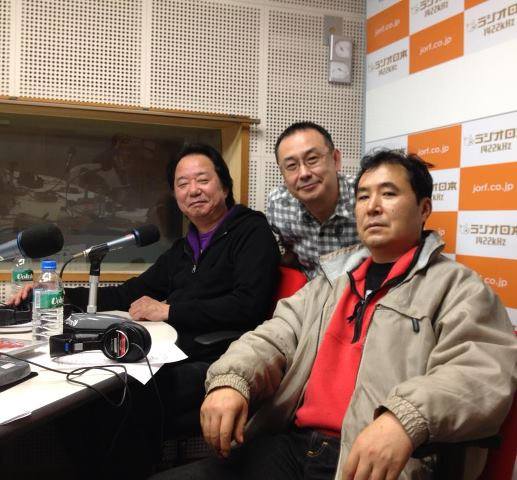
Koki Ito (Left), Kimikazu Uetake (Center), Jun Aoyama (Right)
Kimikazu Uetake: “What was your first professional job?”
Koki Ito: “Akiko Kosaka and others”
Jun Aoyama: “Right. While doing backing for Akiko Kosaka, Masamitsu Tayama, and Hi-Fi Set, we also did Masamichi Sugi recordings and live performances, and that’s how I met Koki”
Uetake: “And then”
Aoyama: “There was a singer-songwriter named Yoichi Takizawa who has passed away, and a backing band called Magical City was formed for him, and from there we began full-scale professional activity”
Uetake: “Eh, the entrance was Akiko Kosaka?”
Ito: “No, that Yoichi Takizawa’s band”
Aoyama: “Well, around there. We also did Hiroshi Tachi”
Uetake: “Magical City was one kind of…”
Aoyama: “It was a band. A backing band”
Uetake: “Who were the keyboard player and other members then?”
Ito: “An arranger named Hiroshi Shinkawa”
Uetake: “Hiroshi Shinkawa? It’s a small world. This kind of world is really small”
Ito: “There was also a guitarist named Makino. Around that time we met Hiroshi Sato. He asked if we wanted to form a band, and the four of us did Hiroshi Sato and High Times for a while”
Uetake: “Hmm. When did you think you could make it as a professional, Aoyama?”
Aoyama: “Well, around the time I met Hiroshi Sato”
Uetake: “Around 198X?”
Ito: “Around 1979, I think”
Aoyama: “Around 1979, I think”
Ito: “A little before meeting Tatsuro”
Aoyama: “A little before that, I think”
Uetake: “Ito, around that time too?”
Ito: “Just around then, while wondering if I could make a living as a professional, I somehow got busy”
Aoyama passed away suddenly from pulmonary thromboembolism at the young age of 56 on December 3rd, just seven months after this broadcast. The content of this broadcast had been transcribed and published online by internet users. The author discovered this statement on a now-deleted site, which was how I first became aware of the relationship between Takizawa and Magical.
If Aoyama and Ito hadn’t mentioned Takizawa’s name on radio at that time, the author would never have known about the relationship between Magical and Takizawa, or even about the existence of the band Magical. The history we’ve introduced in this series would have remained only in the memories of those involved.
Yoichi Takizawa died on April 20, 2006, at the same age as Aoyama – 56 – due to chronic hepatitis. Their birthdays were also just one day apart: March 9th (Takizawa) and March 10th (Aoyama). Both passed away without knowing that their music would be reevaluated overseas.
On January 30, 2014, the year after Aoyama’s death, Jun Aoyama’s “Farewell Gathering” was held at Tokyo’s Kitazawa Town Hall. Many fans and musical colleagues came to lay flowers and share memories of the deceased.
Uetake, who attended to pay respects, photographed a “name board” placed beside the flowers. Among the names of Ito, Tatsuro, and others, one name stood out:
Magical City Hiroshi Shinkawa
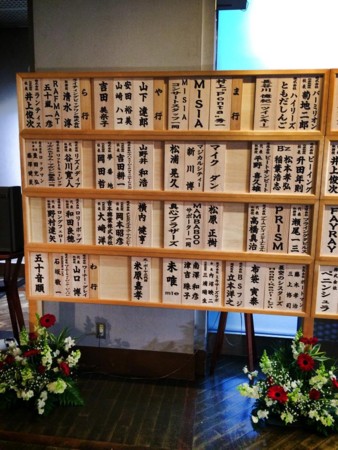
image by: Kimikazu Uetake
On this day, Shinkawa listed his affiliation as “Magical City.” In Shinkawa’s heart, the backing band he belonged to with Aoyama from 1975 to 1976 continued to live.
The memories of Magical from their youth continue to exist in the members’ hearts even today.
However, no one could have known that another “miracle” they had created would be discovered through one song.
![The Miracle of City Pop “Endless Summer,” the Masterpiece Neither Tatsuro Yamashita nor Hideki Saijo Noticed: Yoichi Takizawa and Magical City – [Vol.3] Final Chapter](https://www.mag2.com/p/news/wp-content/uploads/2024/03/yoichi-Takizawa-Magical-City014-650x401.jpg "The Miracle of City Pop “Endless Summer,” the Masterpiece Neither Tatsuro Yamashita nor Hideki Saijo Noticed: Yoichi Takizawa and Magical City – [Vol.3] Final Chapter")